


Bioinformatics
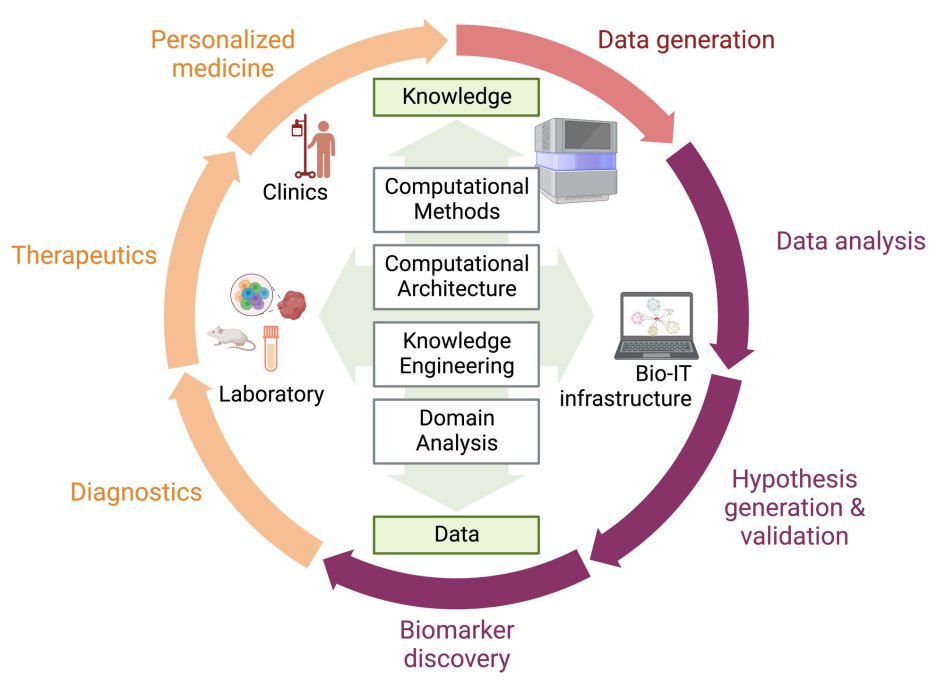
Central to pioneering biological explorations, our Bioinformatics Facility stands as a nexus between biology and data science. Here, we use advanced computational methodologies to decode intricate biological mechanisms. Our offerings in bioinformatics infrastructure, data analysis workflows, interpretation, and visualization are instrumental in assisting researchers in traversing the extensive realms of genomic, epigenomic, and transcriptomic data.
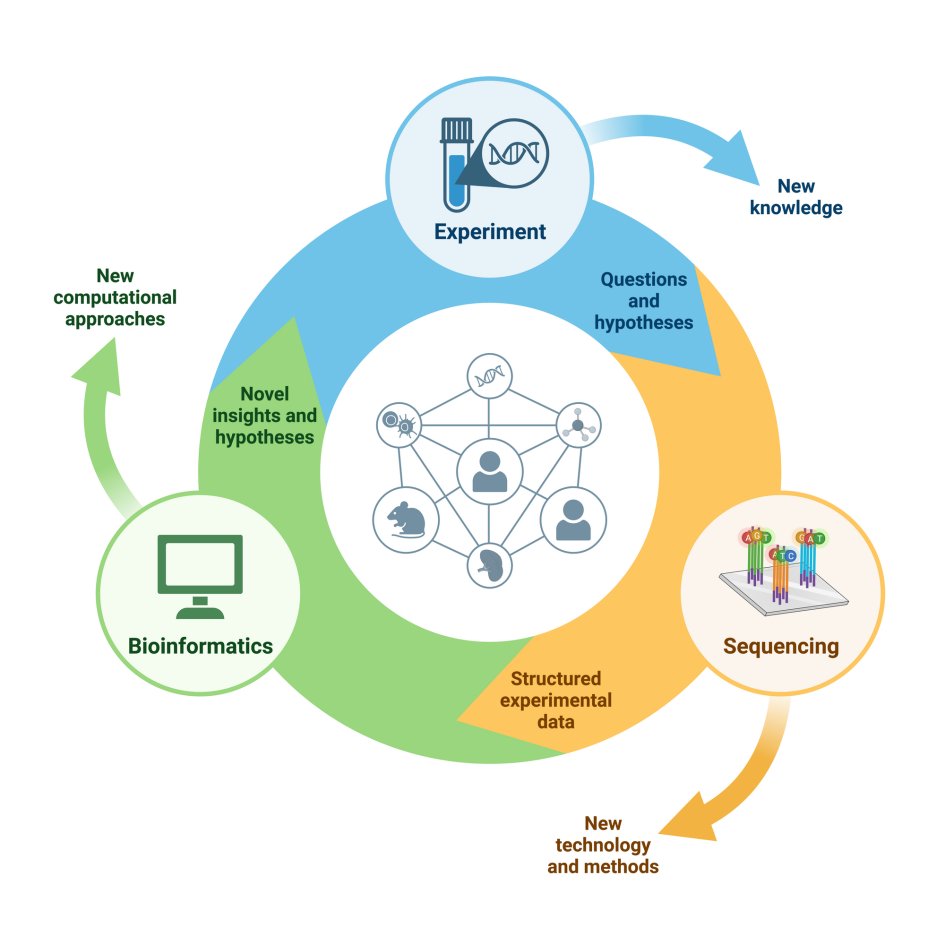
The Bioinformatics Unit at RBCT provides computational expertise and infrastructure for translational cancer research. We work closely with experimental researchers from study design through data analysis, integration, visualization, and biological interpretation.
Our work focuses on reproducible analysis of complex molecular datasets and on integrating multiple layers of information to better understand tumor cell identity, plasticity, therapeutic response, and resistance.
Our expertise covers:
- Bulk and single-cell RNA sequencing
- Spatial transcriptomics
- ChIP-seq, ATAC-seq, CUT&RUN, and CUT&Tag
- Nascent transcription and chromatin interaction analyses
- Whole-exome sequencing
- CRISPR screening and functional genomics
- Drug-screening data analysis
- Multi-omics integration
BRAT — Bioinformatics Research Analysis Toolkit
A central element of our computational infrastructure is BRAT (Bioinformatics Research Analysis Toolkit), an RBCT-developed platform for managing next-generation sequencing metadata and multi-omics analyses.
BRAT provides a structured environment for:
- Standardised metadata management
- Reproducible analysis workflows
- Quality control and data visualisation
- Integration of multiple omics modalities
- Connection of internal datasets with relevant public resources
- Reuse of previously generated molecular signatures and analytical results
- Structured access to accumulated institutional data and knowledge
By preserving not only successful findings but also informative negative results, BRAT helps build an institutional scientific memory, reduces unnecessary repetition, and enables insights generated in one project to inform future research across the institute.
Equipment
Illumina NextSeq2000 Sequencer
Illumina Dragen server
HPC cloud solutions
HPE on-premise server
For further questions, please contact: